
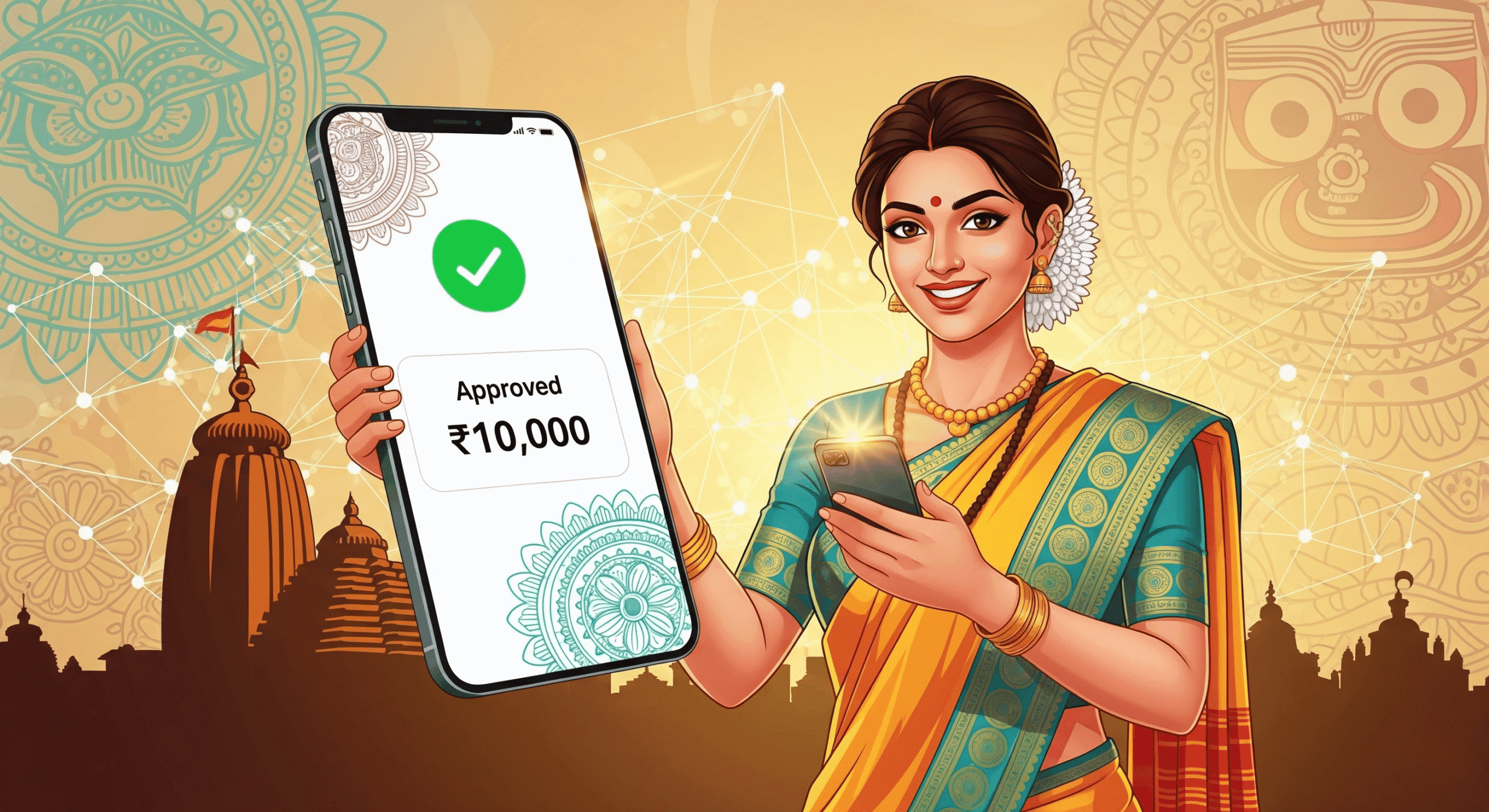
The queue outside the local Common Service Center (CSC) in Bhubaneswar wasn’t moving. I stood there this morning—January 22, 2026—watching a woman in her sixties clutch a crumpled photocopy of her Aadhaar card like it was a winning lottery ticket. She was waiting for the Odisha government to deposit ₹5,000 into her account.
And she wasn’t alone.
Across India, we are witnessing a frenzy. State governments are pumping thousands of crores directly into women’s bank accounts. In Odisha, the Subhadra Yojana has already pushed out over ₹1,000 crore. On paper, it looks like simple welfare. But if you scratch the surface—as I have, spending weeks analyzing the rollout mechanics—you find a messy, fascinating paradox. It’s a cocktail of devotion, cold electoral math, and a digital system that breaks just often enough to drive everyone crazy.
Here are five things about this cash-for-women wave that the press releases won’t tell you.
1. It’s Not Just a Name. It’s a Signal.
Naming a scheme “Subhadra” isn’t just branding. It’s a calculated move.
In Odisha, Subhadra isn’t just a mythological figure; she is the heart of the Jagannath cult. She sits right there in Puri, between Krishna and Balarama. Her name means ‘auspicious’. By tying the money to her, the state isn’t just giving a handout. It’s turning a transaction into an offering.
I’ve seen this shift the mood on the ground. When you hand someone cash, it’s transactional. When you give them “Subhadra’s blessings,” it becomes emotional. It’s brilliant, really. It bypasses the brain and hits the heart. The cash becomes a prasad (sacred offering). You can’t criticize a blessing, can you?
2. The “Ladli Behna” Blueprint
Let’s be blunt: this is about winning elections.
Political strategists aren’t guessing anymore; they have the data. They watched Madhya Pradesh back in 2023. The BJP launched the Ladli Behna Yojana, wired cash to millions of women, and then swept the elections with a majority that shocked the pundits. I spoke to an analyst back then who called it “the most expensive focus group in history.”
It worked.
Now, everyone is copying the homework. The Congress, the BJP—it doesn’t matter. In Haryana, in Jharkhand, the promise is the same: vote for us, get a monthly deposit. It’s a crude, effective formula. But here’s the kicker: building a campaign on a bank transfer works great until the server crashes.
3. The Debit Card That Never Was
When the Subhadra Yojana was first drafted, the guidelines were glossy. They promised a “SUBHADRA Card”—a proper ATM-cum-debit card for every beneficiary.
I loved the idea. It was tangible. A woman in a rural village holding a card with her name on it? That’s psychological ownership. That’s power.
Then, the government killed it.
Quietly, the cabinet scrapped the card. Their logic? “People use UPI now.” They framed it as a tech-forward move, citing the low usage of physical cards. But in my experience, this was a mistake. By removing the physical token, they removed the “anchor.” Now, the money is just a digital blip. Invisible. And when you force millions of first-time users onto purely digital rails without a physical backup, you are asking for chaos.
4. The “Error Code” Nightmare
Here is where the rubber meets the road—or rather, where the tire blows out.
The government relies on the National Payments Corporation of India (NPCI) to route these funds via Aadhaar. Theoretically, it’s seamless. In reality? It’s a minefield.
I’ve looked at the “Subhadra Yojana NPCI Rejected List.” It’s not a short document. It’s a roster of frustration. When a payment fails, the money doesn’t just sit there; it gets kicked back with cryptic error codes that would confuse a software engineer, let alone a daily wage laborer.
- Inactive accounts.
- e-KYC mismatches.
- Aadhaar linking failures.
The worst part? The fix isn’t digital. It’s analog hell. Women have to run from the bank branch to the Aadhaar center and back again, carrying heaps of paperwork, trying to decode why the computer said “no.” In places like Kotia, I saw entire clusters of women rejected because their Aadhaar cards were linked to out-of-state databases. It wasn’t their fault. But they were the ones paying the price in lost time.
5. Copy-Paste Politics
Odisha isn’t unique. This is happening everywhere.
- Madhya Pradesh: Ladli Behna
- Karnataka: Gruha Lakshmi
- West Bengal: Lakshmi Bhandar
- Maharashtra: Majhi Ladki Bahin
It’s a stampede. Direct cash transfer is no longer a “welfare option”; it is the default setting for Indian governance. We are moving toward a state where the primary relationship between the citizen and the government is a monthly SMS alert from the bank.
The Bottom Line
Is this empowerment? Maybe.
Cash in hand is never a bad thing. But let’s not kid ourselves. Schemes like Subhadra are a high-stakes gamble. They mix faith, votes, and fragile technology into a single pot. When it works, it looks like magic. But when the server times out, or the e-KYC fails, it leaves the most vulnerable women staring at a screen, wondering why the state—and the deity—has left them on ‘Read’.