
Introduction
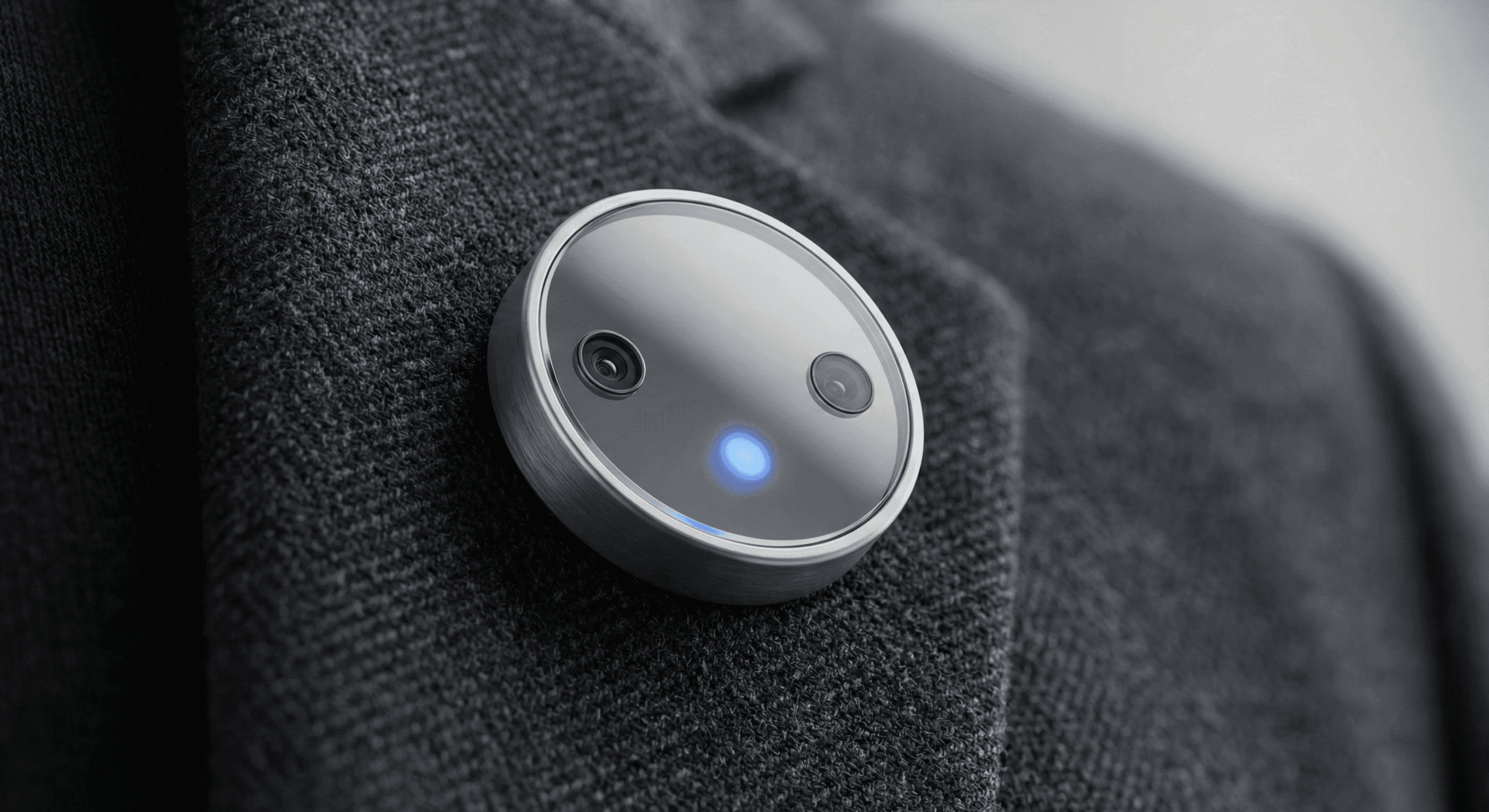
We all wanted to believe it. The “post-smartphone” dream. It sounded intoxicating, didn’t it? A world where we could finally lift our heads from our glowing rectangles, guided by a benevolent, screenless voice pinned to our chests. Humane sold us that dream with the confidence of a cult leader.
Then reality hit. And it hit hard.
The AI Pin wasn’t just a bad product; it was a catastrophic collision between Silicon Valley hubris and the laws of physics. I remember watching the launch video, mesmerized by the “Laser Ink” display. It looked futuristic. But when I actually saw reviewers trying to use it in direct sunlight, struggling to make out a single pixel, the illusion shattered. The device wasn’t a portal to the future. It was a $699 apology waiting to happen.
1. A “Smartphone Killer” Can Be a Startup Killer
Let’s look at the numbers, because they are staggering. Humane raised over $230 million. They had Sam Altman. They had the Apple pedigree. They had a valuation of $850 million before they had even proved the thing worked.
And what did that mountain of cash buy? A brick.
When the reviews dropped, they didn’t just criticize the device; they eviscerated it. It wasn’t just that the battery life was abysmal—dying before lunch—it was the heat. Using the Pin felt like pressing a hot coal against your sternum. I’ve tested plenty of first-gen hardware, but I’ve never tested something that physically punished me for asking it the weather.
Marques Brownlee called it “The Worst Product I’ve Ever Reviewed.” That’s not a critique. That’s an obituary.
The aftermath was inevitable. An asset sale to HP for a fraction of the valuation. Devices remotely “bricked.” Early adopters left holding expensive e-waste. It proved a harsh rule of hardware: Vision means nothing if the thing can’t make a phone call without overheating.
2. The “Creep Factor” is Undefeated
Technologists love to talk about specs. They hate talking about social norms.
But here is the truth: People do not like being recorded.
When Google Glass launched years ago, we coined the term “Glasshole.” We shamed users out of bars and cafes. Humane tried to solve this with a “Trust Light”—a little LED that glowed when the camera was on. It was a naive engineering fix for a deep-seated sociological problem.
In my experience, walking into a room with a camera on your chest changes the energy. It makes people stiffen. It kills candor. That “Trust Light” didn’t build trust; it just signaled to everyone in the room that they were potentially being watched. It’s what legal scholars call “bystander privacy,” and it’s a hurdle you can’t jump over with a better processor. Until tech companies respect that visceral “get that thing away from me” reaction, these devices are dead on arrival.
3. Apple’s “Boring” Strategy is Actually Genius
While Humane was trying to sprint a marathon, Apple was taking a nap. Or so it seemed.
Actually, Apple was doing what Apple always does: waiting for everyone else to face-plant. Their strategy looks painfully conservative compared to Humane’s “moonshot,” but it’s lethal. They aren’t trying to force a new form factor on us. They are sneaking AI into the devices we already love.
I’ve been wearing an Apple Watch Ultra 2 lately. It doesn’t promise to replace my phone. It just filters my notifications and tracks my runs. It lasts 36 hours. It works.
Apple understands something Humane forgot: Trust is earned in drops and lost in buckets. By keeping AI grounded in software (“Apple Intelligence”) and existing hardware, they are normalizing the tech without freaking us out. They’re playing the long game. Rumors of Apple smart glasses in 2027 suggest they’ll get to the “post-smartphone” world eventually. But they’ll get there by walking, not by jumping off a cliff.
4. The $699 Question: “But Why?”
There was a moment during the AI Pin rollout where I found myself shouting at my monitor: “What is this actually for?”
It’s the simplest question in tech, and Humane never answered it.
They wanted to replace the smartphone. But the smartphone is the most successful consumer product in human history. To kill it, you have to be better. Not just different. Better.
Was the Pin better at taking photos? No. Was it better at texting? God, no. Was it better at finding information? It hallucinated constantly, telling users that Cambodia was in Europe.
I tried to imagine a scenario where I’d prefer tapping my chest and talking to a laser over just pulling my phone out of my pocket. I couldn’t come up with one. Not a single one. If you can’t name one thing your device does better than the rectangle already in my pocket, you don’t have a product. You have a novelty.
5. The Real War Hasn’t Even Started
Humane is gone. But the war? It’s just heating up.
The pieces are moving on the board. Jony Ive—the man who designed the iPhone—is teaming up with Sam Altman for a new hardware venture. That should terrify everyone.
We are moving from a battle of startups vs. incumbents to a clash of titans. On one side, you have Apple: the ecosystem fortress, safe, private, polished. On the other, you have the Ive/Altman “dream team”: unmatched design pedigree meeting the raw power of OpenAI.
Humane was the canary in the coal mine. It died so the real players could learn what not to do.
The Bottom Line
We aren’t going to stop staring at screens tomorrow. The “post-smartphone” future isn’t a revolution that happens overnight; it’s a slow, messy evolution. And if there’s one thing the AI Pin taught us, it’s this: If you come for the King (the smartphone), you best not miss.
Humane missed. Who’s next?